In the world of digital visibility, SEO link building remains one of the most powerful—and misunderstood—pillars of search engine optimization. But what exactly is SEO link building? Is it simply about collecting backlinks, or is there a deeper strategy at play?
Let’s explore what professionals really mean when they talk about SEO and link building.
What Is SEO Link Building?
SEO link building is the process of acquiring hyperlinks from other websites to your own. These hyperlinks, known as backlinks, help search engines understand the credibility, authority, and relevance of your content.
“Think of a backlink as a vote of trust. The more credible the source, the stronger the vote.” — SEO Vizon
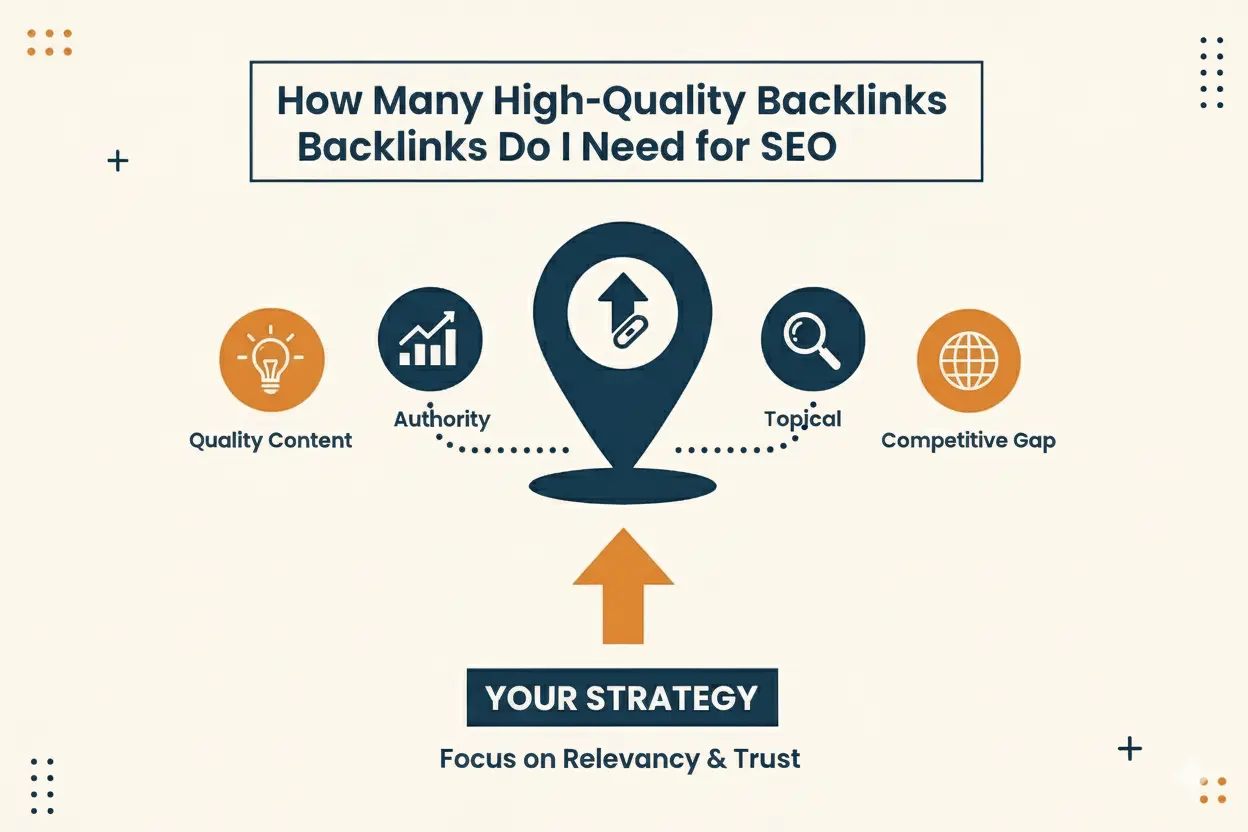
In short, link building in SEO isn’t just about increasing the number of links—it’s about improving the quality and contextual relevance of those links to enhance your rankings in search engine results.
What Is Link Building in Search Engine Optimization?
When we talk about link building in search engine optimization, we’re referring to one of the core components of how search engines like Google rank content. It’s not just a tactic—it’s a strategic part of long-term SEO success.
There are two primary types of backlinks:
- DoFollow Links: These pass authority and help improve rankings.
- NoFollow Links: These do not pass authority but can still be valuable for referral traffic and brand visibility.
The key idea is that search engines treat backlinks as signals of trust. The more authoritative and relevant the link, the stronger the signal.
Why Link Building Matters for SEO
Here’s why link building and SEO are inseparable:
| Benefit | Explanation |
|---|---|
| Higher Rankings | Backlinks improve authority, helping your pages rank higher in search results. |
| Faster Indexing | Links help search engine bots find and index your content more quickly. |
| Increased Trust | High-quality backlinks boost credibility in your niche. |
| More Referral Traffic | Links from popular sites can drive targeted visitors to your site. |
In competitive markets, the difference between page one and page three often comes down to the quality of backlinks.
White Hat vs. Black Hat Link Building
Not all link building techniques are equal. Here’s how professionals separate them:
- White Hat Link Building: Ethical and sustainable methods like guest posting, digital PR, content marketing, and broken link outreach.
- Black Hat Link Building: Manipulative tactics like spammy blog comments, link farms, and buying backlinks—often leading to Google penalties.
Google is smarter than ever. Risking your site’s reputation for a short-term gain is rarely worth it.
Effective SEO Link Building Strategies
If you’re looking to build a strong and stable backlink profile, these strategies are proven and scalable:
- Guest Blogging: Offer valuable content to relevant industry blogs in exchange for a contextual backlink.
- Broken Link Outreach: Find broken links on authoritative pages and recommend your content as a replacement.
- Digital PR and HARO: Respond to journalist queries and build relationships with media sites.
- Skyscraper Technique: Create better versions of high-ranking content and reach out to those linking to it.
- Resource Page Outreach: Offer your content as a helpful addition to relevant resource lists or guides.
Always focus on earning links from relevant and authoritative domains, not just any site that will say yes.
The Role of Semantic SEO in Link Building
Modern SEO isn’t just about keywords—it’s about meaning. That’s where semantic SEO comes in.
Search engines now consider the topical relevance and contextual alignment of links. In other words, your backlink should come from content that is closely related to your own, both thematically and semantically.
A link from a tech blog to your SEO guide is more powerful than a link from an unrelated cooking site—even if the cooking site has higher authority.
Don’t Overlook Internal Link Building
While backlinks from external domains get most of the attention, internal linking plays a crucial role in your SEO performance.
Benefits of a strong internal linking structure:
- Helps distribute link equity throughout your site
- Guides users to related content
- Improves crawlability for search engine bots
- Enhances topic relevance between pages
If you’ve published a guide on [on-page SEO], link to it when you mention content optimization. Internal linking creates a web of related knowledge on your site, which Google values.
Final Thoughts: Link Building Is Essential in Modern SEO
SEO link building isn’t optional—it’s foundational. But it has evolved. It’s no longer about quantity, shortcuts, or outdated tactics. It’s about relevance, value, and trust.
Your link building efforts should be strategic, ethical, and aligned with the bigger picture of your brand and content marketing goals.