Ever since Google rolled out the Penguin algorithm update, link building hasn’t been the same. What used to work before Penguin now risks penalties and lost rankings. If you’re still using outdated or manipulative tactics, it’s time to rethink your link acquisition approach.
This article walks you through modern, Penguin-safe link building strategies that not only align with Google’s Webmaster Guidelines but also help build sustainable SEO results.
Understanding the Penguin Algorithm
Before diving into strategies, it’s crucial to understand what Penguin changed in SEO.
Penguin was introduced in 2012 to target manipulative link practices—especially those involving spammy backlinks, link schemes, and exact-match anchor text abuse. It primarily focuses on the quality of links pointing to a website, not just the quantity.
After its integration into Google’s core algorithm, Penguin now works in real time, assessing links continuously.
Key Takeaway:
Link quality matters far more than link volume. A single relevant link from a trusted site can outweigh dozens of low-quality links.
1. Prioritize Relevance Over Quantity
Google doesn’t reward you for building a high number of links anymore. Instead, relevance and context matter most.
Rather than chasing generic blog directories or irrelevant guest post sites, focus on obtaining links from:
- Websites within your niche
- Topical blogs with real audience engagement
- Pages that are contextually aligned with your content
This aligns directly with Google’s shift toward semantic SEO—it wants to understand why a link exists, not just where it comes from.
2. Build Relationships, Not Just Links
Penguin penalized unnatural link patterns, but it didn’t discourage natural editorial backlinks.
Start by building relationships with:
- Industry bloggers
- Digital PR agencies
- Content creators in your niche
Once you’ve built rapport, collaborate through guest posting, interviews, content partnerships, or expert roundups. These backlinks come with authority and trust, both of which Penguin favors.
3. Anchor Text Optimization
Anchor text manipulation is one of the main triggers for Penguin penalties.
Avoid overusing:
- Exact-match keywords
- Commercial phrases like “best SEO company” in every link
Instead, diversify with:
- Branded anchor text (e.g., SEO Vizon)
- Partial match (e.g., learn about SEO link building)
- Natural phrases (e.g., this article explains the strategy in detail)
The goal is to make your link profile look organic—not manufactured.
4. Use Digital PR to Earn Links Organically
Google appreciates backlinks that are earned rather than created. Digital PR is the fastest way to achieve that.
With a solid digital PR strategy, you can get featured on:
- News sites
- Business publications
- Niche media platforms
Examples include submitting data-driven studies, publishing expert insights, or commenting on trending industry topics. The links you gain this way are difficult to replicate, giving you a long-term advantage.
5. Update and Repurpose Existing Content for New Links
One of the most overlooked link building strategies post-Penguin is refreshing content.
Here’s how it works:
- Identify older articles that once attracted links
- Update them with new stats, insights, and visuals
- Reach out to people who previously linked to similar content
- Suggest your updated version as a valuable resource
It’s less about building from scratch and more about reviving value.
6. HARO and Journalist Outreach
Help A Reporter Out (HARO) and similar platforms connect sources with journalists. It’s a legitimate way to earn links from trusted media outlets.
To make the most of HARO:
- Respond fast and stay relevant to the topic
- Offer credible, quotable answers
- Link naturally to your expertise or company
These links are hard-earned but highly authoritative—exactly what Google Penguin rewards.
7. Create Link-Worthy Resources
Resource pages, tools, calculators, and original research tend to attract natural backlinks.
Instead of thinking “How can I get links?”, ask:
“What can I create that others naturally want to link to?”
Some ideas include:
- Industry-specific glossaries
- Interactive SEO audit tools
- Whitepapers or case studies
Once published, share them with communities, bloggers, and platforms likely to reference them.
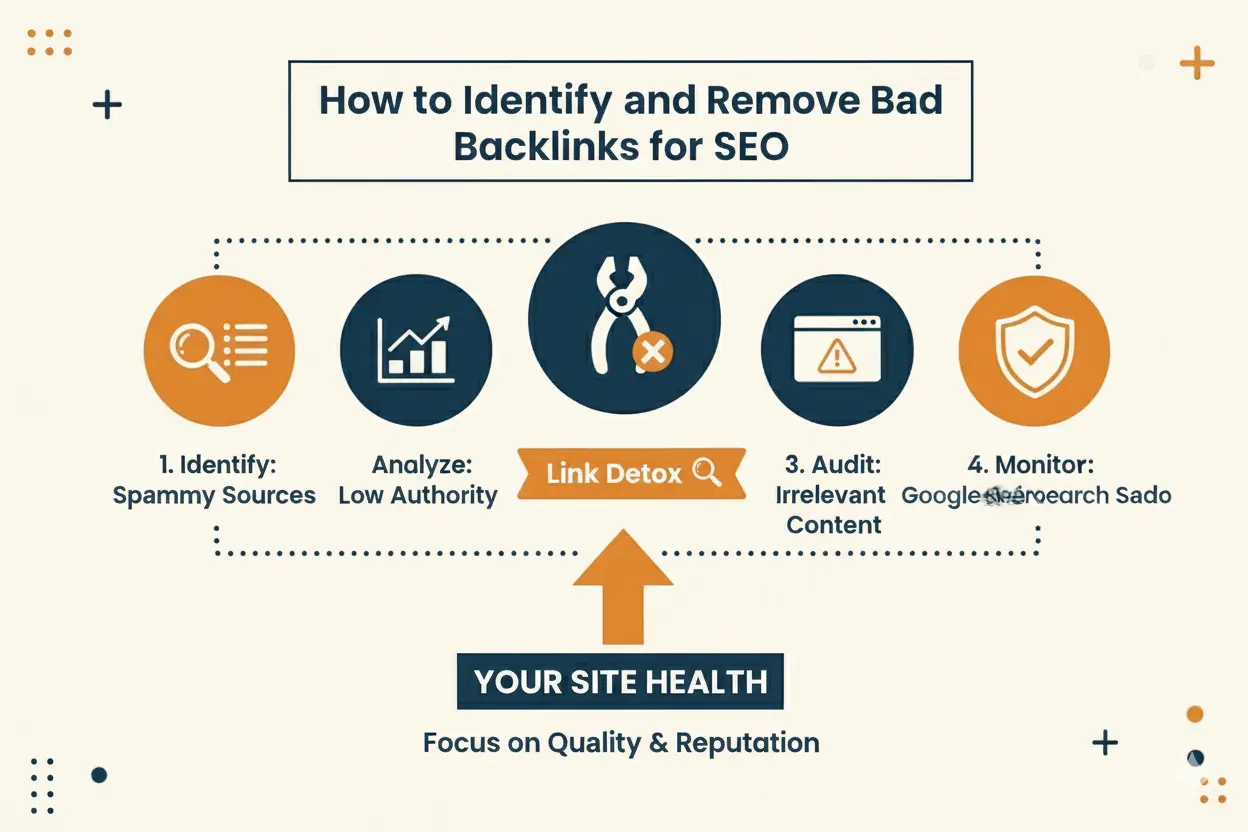
8. Disavow Toxic Backlinks When Necessary
Despite building ethically, bad backlinks might still find their way into your profile.
Use tools like:
- Google Search Console (Links report)
- Ahrefs or SEMrush (Backlink audit tools)
If you find spammy links from irrelevant or PBN-type sites, compile a disavow file and submit it to Google. While Penguin is now more granular and doesn’t penalize as harshly, cleaning up your profile can still help.
9. Monitor Competitors—But Don’t Copy
Studying your competitors’ backlink profiles can spark ideas—but avoid blindly replicating them.
Use tools like Ahrefs or Majestic to analyze:
- Referring domains
- Anchor text usage
- Link growth patterns
Then identify gaps or missed opportunities where you can do better, not just imitate.
10. Avoid Automation and Link Schemes
In 2026, any hint of automation in your backlink building process can raise red flags.
That includes:
- Automated comment spam
- Link exchanges at scale
- Low-quality private blog networks (PBNs)
Even if they work short-term, Penguin’s real-time nature means you risk being hit at any moment.
Final Thoughts: Building Penguin-Proof Links Requires Strategy
If there’s one truth that Penguin reinforced, it’s this:
Real SEO isn’t about gaming the system. It’s about providing value and earning trust.
By focusing on contextual relevance, ethical outreach, and content that deserves attention, you can build a backlink profile that not only survives Penguin—but thrives under it.
Stay up to date with Google’s evolving standards, and continue adjusting your strategy to align with what works now, not what used to work years ago.