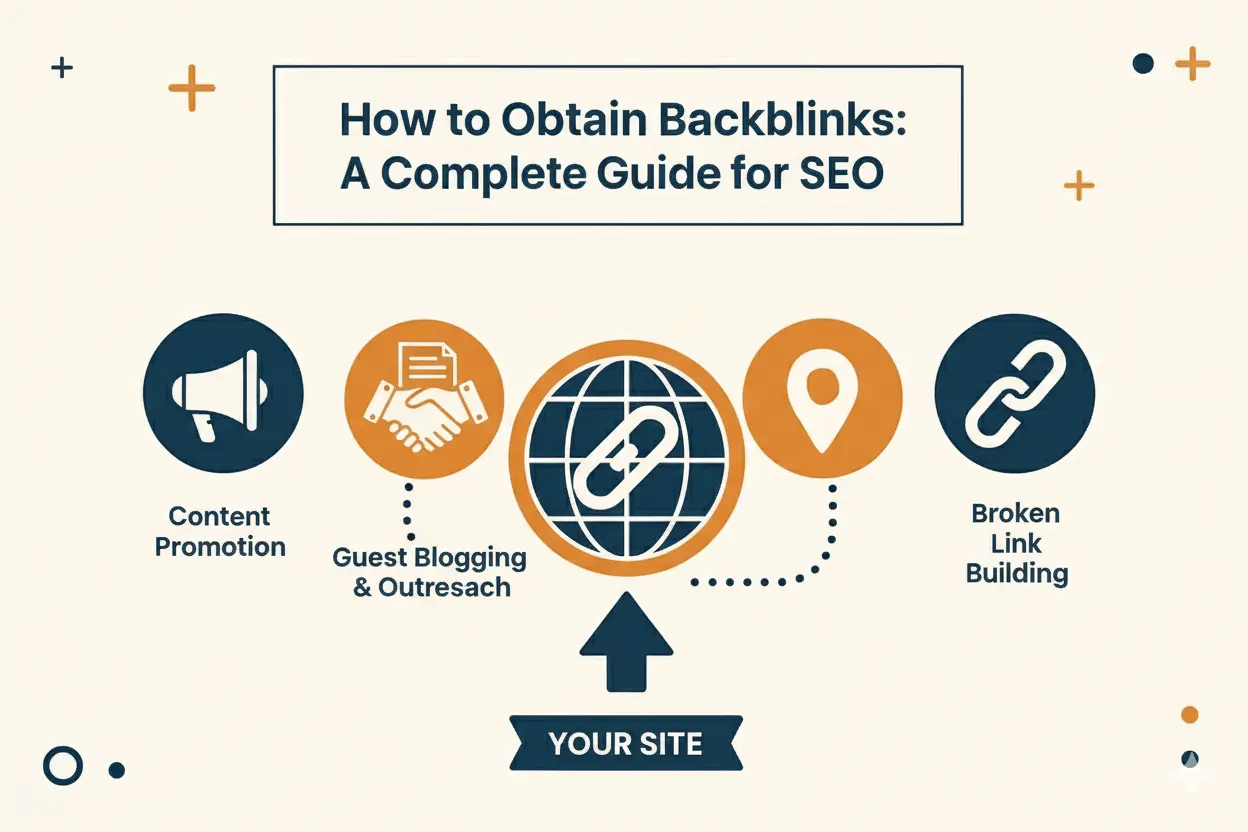
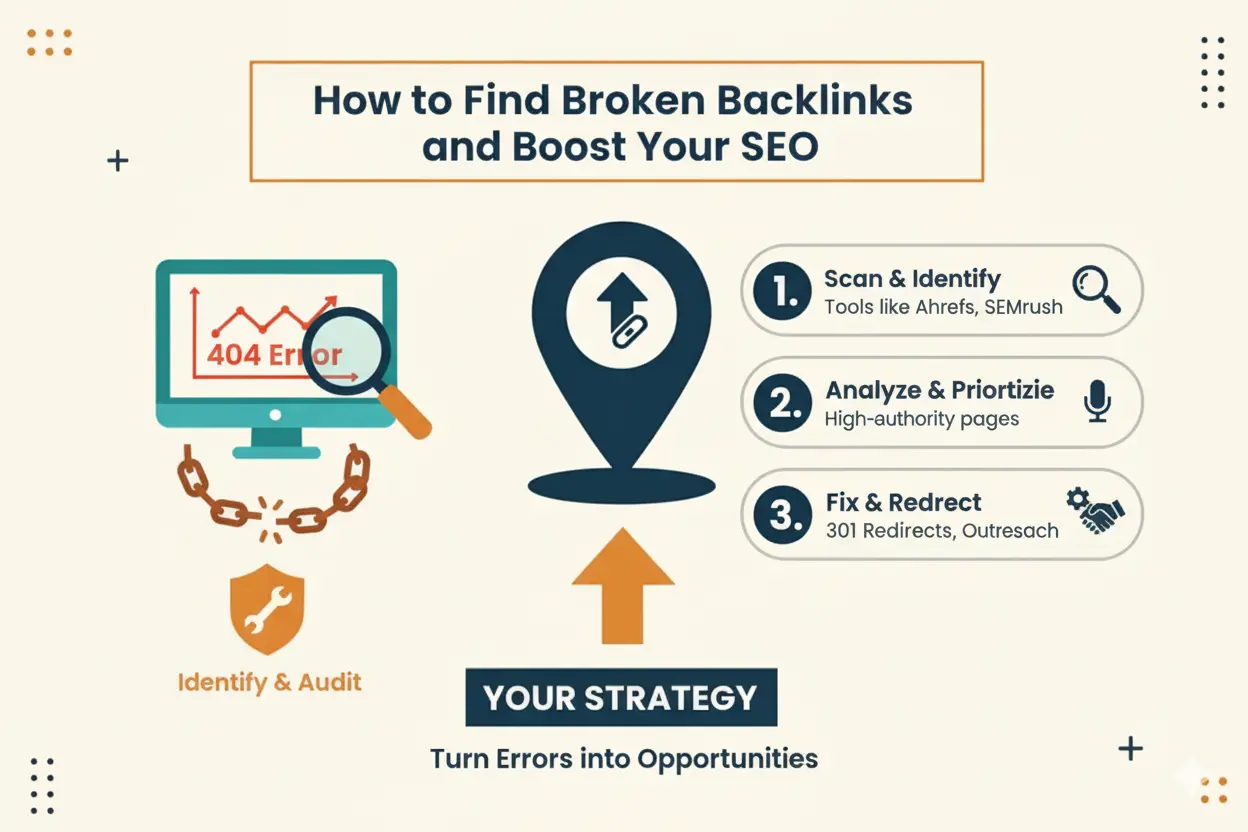
One of the most common questions in search engine optimization is whether backlinks are absolutely necessary to generate organic traffic. Many beginners believe that ranking on search engines is impossible without actively building links. While backlinks remain an important ranking factor, the reality is more nuanced.
Search engines evaluate hundreds of signals when determining rankings, including content quality, search intent, user experience, topical authority, and backlinks. This means that backlinks are not the only factor that drives organic traffic, but they often play a significant role in helping websites compete in search results.
From my experience working with businesses through SEO Vizon, some websites can attract organic traffic with little or no link building, while others require a strong backlink strategy to compete in more competitive niches.
Understanding when backlinks are necessary and when other factors can drive traffic is key to building a balanced SEO strategy.
How Organic Traffic Actually Works
Organic traffic comes from search engines when users find your website through search results. To rank a page, search engines evaluate several signals that indicate whether the content is useful, trustworthy, and relevant to the user’s query.
These signals include:
- Content relevance to the search query
- Depth and clarity of the information
- Website authority and credibility
- Internal linking structure
- Page experience and usability
- Backlinks from other websites
Backlinks contribute to this process by helping search engines measure how trustworthy and authoritative your content is compared to competing pages.
However, backlinks alone cannot rank a page if the content itself does not satisfy user intent.
When You Can Get Organic Traffic Without Backlinks
There are situations where a website can receive organic traffic even without actively building backlinks.
Low Competition Keywords
Some search queries have very little competition. If you create high-quality content targeting these topics, it is possible to rank without a strong backlink profile.
For example, very specific long-tail queries often have fewer competing pages, making it easier to rank based on content relevance alone.
Highly Targeted Content
When content addresses a very specific problem or question, search engines may rank it simply because it best matches the user’s intent.
In these cases, content quality and clarity may outweigh the need for strong backlink authority.
Established Websites
Websites that already have strong domain authority sometimes rank new pages quickly, even without building additional backlinks for each article.
These websites benefit from the authority they have built over time.
Why Backlinks Still Matter in Competitive Niches
While it is possible to generate some organic traffic without backlinks, they become far more important in competitive industries.
Backlinks Help Build Authority
When multiple reputable websites link to your content, search engines interpret this as a signal that your website is trustworthy and credible.
This authority helps your pages compete against other websites that are also targeting the same keywords.
Backlinks Help Search Engines Discover Content
Links from other websites can help search engines find and index your pages more quickly, especially for newer websites.
Backlinks Strengthen Ranking Potential
When several websites publish similar content around the same topic, backlinks often become the factor that determines which page ranks higher.
From my experience running SEO campaigns through SEO Vizon, websites competing in industries such as marketing, software, and finance almost always require strong backlinks to rank consistently.
What Matters More Than Backlinks
Although backlinks are valuable, they cannot replace strong content and proper website structure.
Content That Solves Real Problems
Search engines prioritize pages that clearly answer user questions and provide useful information.
Content that lacks depth or clarity will struggle to rank even if it has backlinks.
Proper Keyword Targeting
Targeting the right keywords ensures that your content matches what users are actually searching for.
Without proper keyword research, even high-quality content may fail to attract traffic.
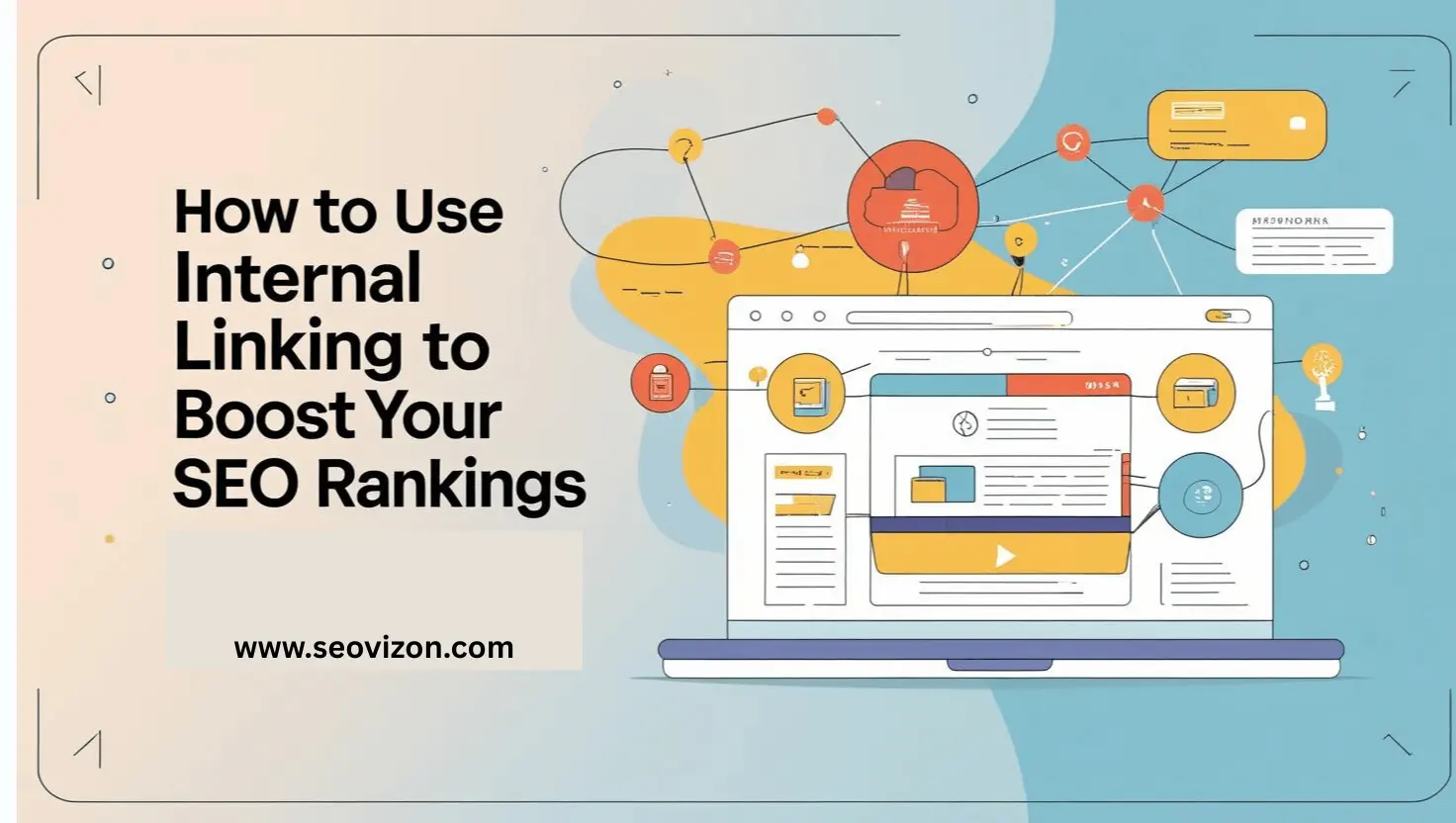
Strong Internal Linking
Internal links help distribute authority across your website and allow search engines to understand the relationship between different pages.
At SEO Vizon, strong internal linking strategies often improve rankings even before external backlinks are added.
A Balanced SEO Strategy
The most effective SEO strategy does not rely on a single factor. Instead, it combines content quality, technical optimization, and authority signals such as backlinks.
For new websites, the focus should usually start with:
- Creating helpful and well-structured content
- Targeting realistic keywords
- Building topical authority within a niche
Once this foundation is established, backlinks can significantly accelerate growth by strengthening the website’s authority.
Final Thoughts
You do not always need backlinks to get organic traffic, especially if you target low-competition keywords or create highly relevant content. However, backlinks remain one of the most powerful signals that help websites compete in search results.
For businesses aiming to rank in competitive industries, backlinks often become an essential part of the strategy.
From my experience building SEO campaigns through SEO Vizon, the websites that perform best combine valuable content, strong site structure, and high-quality backlinks. Instead of relying on links alone, successful SEO strategies treat backlinks as one part of a larger system designed to build authority and trust over time.