“Backlinks are like votes of confidence from other websites. when done right, they tell Google your site is worth trusting.” Rand Fishkin, SEO Expert
From my experience running SEO Vizon, I’ve seen backlinks work like magic for boosting website rankings, but I’ve also seen spammy tactics backfire, tanking sites overnight. Backlinks links from other websites pointing to yours are a cornerstone of search engine optimization (SEO), signaling to Google that your site is authoritative and trustworthy.
However, in 2025, quality trumps quantity, and spammy links can do more harm than good. This guide breaks down the role of backlinks in SEO and shares practical, ethical strategies to build authority without resorting to black-hat tactics. Written clearly enough for beginners yet detailed for seasoned marketers, these tips will help you strengthen your site’s SEO in a way that lasts.
What Are Backlinks and Why Do They Matter?
A backlink is a hyperlink from one website to another. Think of it as a digital recommendation: when a reputable site links to yours, it’s like them vouching for your credibility. Google’s algorithms, including those revealed in the 2024 Google leak, use backlinks as a key ranking factor, assessing the quality, relevance, and context of linking sites to determine your site’s authority.
Why they matter:
- Boost rankings: Backlinks from high-authority sites increase your chances of ranking higher on Google’s search results.
- Drive traffic: Links from relevant sites bring targeted visitors who are more likely to engage or convert.
- Build trust: A 2024 Moz study found that sites with strong backlink profiles rank 20% higher on average than those with weak or spammy links.
- Enhance indexing: Backlinks help Google’s crawlers discover your pages faster, improving your site’s visibility.
However, not all backlinks are equal. Low-quality or spammy links (e.g., from link farms or irrelevant directories) can trigger Google penalties, dropping your rankings. In 2025, the focus is on earning high-quality, relevant backlinks ethically.
The Role of Backlinks in 2025’s SEO Landscape
Google’s algorithms have evolved to prioritize user trust and relevance. The rise of AI-driven ranking factors and E-E-A-T (Experience, Expertise, Authoritativeness, Trustworthiness) guidelines means backlinks must come from credible, relevant sources. According to a 2025 Ahrefs study, a single backlink from a high-authority site (e.g., a news outlet or industry blog) can outweigh dozens of low-quality links. Additionally, user engagement metrics like click-through rates and time spent on your site after clicking a backlink play a growing role in how Google evaluates link value.
How to Build High-Quality Backlinks Without Spam
Building backlinks is like cultivating relationships, it takes time, effort, and authenticity. Below are proven strategies to earn authoritative backlinks while avoiding spammy pitfalls.
1. Create Link-Worthy Content
The best way to earn backlinks is to create content so valuable that others naturally want to link to it. This “link bait” could be a detailed guide, original research, or a unique tool.
How to do it:
- Write in-depth guides: Create comprehensive resources, like “The Ultimate Guide to Home Gardening” for a nursery business, with 2,000+ words of actionable advice.
- Share original data: Conduct a small survey or analyze industry trends, then publish findings. For example, “2025 Pet Adoption Trends in Faisalabad” could attract links from pet blogs.
- Build tools or resources: Offer free calculators, templates, or infographics. A bakery might create a “Cake Ingredient Converter” that other sites link to.
- Use engaging formats: Infographics, videos, or interactive quizzes are highly shareable and linkable.
Pro Tip: Use BuzzSumo’s free trial to find trending topics in your niche, then create content that adds unique value to those conversations.
“The best backlinks come from content that’s genuinely useful, not from begging or buying.” Jo Turnbull, Founder of Turn Global
2. Leverage Guest Posting
Guest posting involves writing articles for other websites in your niche, including a link back to your site. It’s a win-win: the host site gets great content, and you get a valuable backlink.
How to do it:
- Find relevant sites: Search for blogs in your industry using queries like “write for us + [your niche]” or “guest post + [your niche].” For example, a fitness coach might target “write for us fitness.”
- Pitch with value: Send a personalized email outlining a specific topic that fits their audience, like “5 Beginner-Friendly Yoga Poses for Stress Relief.”
- Include strategic links: In your guest post, add 1–2 links to relevant pages on your site, using descriptive anchor text like “yoga for beginners guide.”
- Focus on quality: Target sites with high domain authority (DA) using tools like Moz’s free Link Explorer to check their credibility.
Pro Tip: Avoid guest posting on low-quality or unrelated sites, as these links can look spammy to Google.
3. Build Relationships in Your Community
Local and niche communities are goldmines for backlinks, especially for small businesses. Connecting with local organizations or industry peers can lead to natural, high-quality links.
How to do it:
- Sponsor local events: Support a charity run or community festival and ask for a link on their website’s “Sponsors” page.
- Collaborate with bloggers: Partner with local or niche bloggers for interviews, features, or co-created content. For example, a coffee shop could invite a food blogger for a tasting event.
- Join local directories: List your business in reputable directories like your city’s chamber of commerce or industry-specific platforms (e.g., TripAdvisor for restaurants).
- Engage on forums: Answer questions on platforms like Reddit or Quora, including a link to your site when relevant (but avoid spamming).
Pro Tip: Use Ubersuggest’s free backlink checker to analyze competitors’ local backlinks and target similar opportunities.
4. Use Broken Link Building
Broken link building involves finding broken (404) links on other websites and suggesting your content as a replacement. It’s an ethical way to earn backlinks while helping site owners fix their pages.
How to do it:
- Find broken links: Use Check My Links (a free Chrome extension) to scan relevant websites for 404 errors. For example, check a gardening blog for broken links in their resource section.
- Create replacement content: If you find a broken link to a “Container Gardening Guide,” create a similar or better guide on your site.
- Reach out: Email the site owner with a polite message, like: “I noticed a broken link on your resources page. My guide on container gardening could be a great replacement check it out here.”
- Be concise: Keep your outreach short, professional, and focused on their benefit.
Pro Tip: Focus on high-authority sites in your niche to maximize the value of these backlinks.
5. Get Featured in Roundups or Media
Getting mentioned in “best of” lists, industry roundups, or media outlets can earn powerful backlinks and drive traffic.
How to do it:
- Use Connectively: Sign up for Connectively (formerly HARO) to respond to journalist queries in your niche. For example, a fitness coach could answer a query about “top workout tips for 2025.”
- Target roundup posts: Search for lists like “best coffee shops in Faisalabad” and pitch your business for inclusion with a compelling reason (e.g., “We’re the only shop offering organic beans”).
- Create press-worthy content: Host an event, launch a unique product, or share a customer success story to attract media attention.
Pro Tip: Monitor mentions of your brand with Google Alerts and ask sites to add a link if they’ve mentioned you without one.
Avoiding Spammy Backlink Tactics
Google’s algorithms, like Penguin, are smarter than ever at detecting spammy links. Avoid these risky practices:
- Buying links: Paid links from low-quality sites can lead to penalties.
- Link farms: These are networks of irrelevant sites created solely for linking, which Google flags as manipulative.
- Excessive link exchanges: Swapping links with unrelated sites can hurt your credibility.
- Spammy directories: Avoid low-quality directories with no editorial standards.
Instead, focus on earning links naturally through valuable content and genuine relationships. A 2025 Semrush report noted that sites with diverse, high-quality backlink profiles rank 25% higher than those relying on spammy tactics.
Beyond the Algorithm: The Human Element in Backlink Building
Early in my SEO journey, I was tempted by quick-fix link-building services promising hundreds of backlinks for cheap. After a client’s site dropped from page one to obscurity due to spammy links, I learned the hard way: quality matters more than quantity. Building backlinks is like earning trust in a community it’s about creating something valuable and letting others amplify it. One of my proudest moments was helping a local bakery earn a backlink from a regional food blog, driving both traffic and sales through authentic content.
Why Backlinks Are Worth the Effort
“A single high-quality backlink can do more for your SEO than a hundred low-quality ones.” Brian Dean, Founder of Backlinko
Backlinks remain a top ranking factor in 2025, contributing to higher visibility, traffic, and credibility. By focusing on quality over quantity, you build a sustainable SEO strategy that withstands algorithm updates and delivers long-term results.
Get Started with Backlink Building Today
You don’t need a massive budget to start earning backlinks. Take these steps to begin:
- Create one piece of link-worthy content, like a guide or infographic, this month.
- Reach out to one local blog or organization for a guest post or feature.
- Run a broken link check on a relevant site using Check My Links and pitch your content as a replacement.
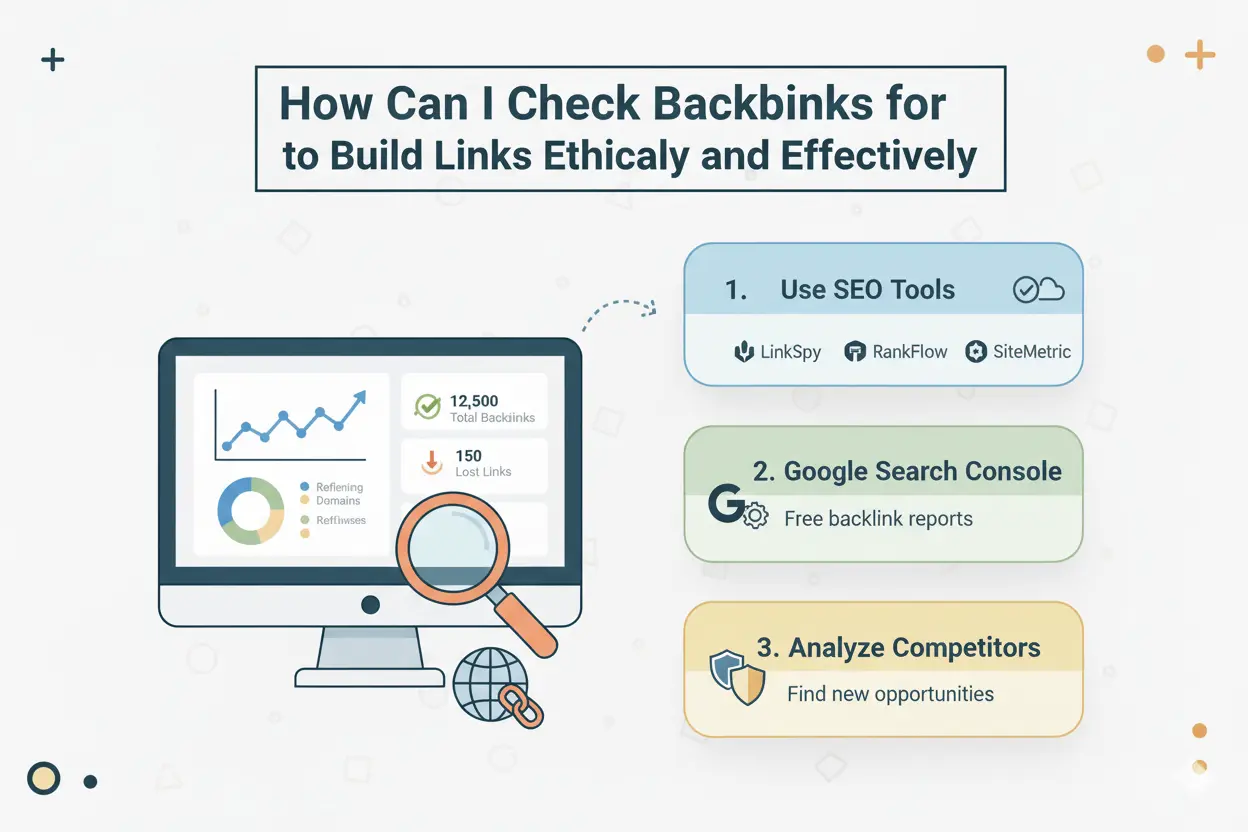
- Monitor your backlink profile with Google Search Console or Ubersuggest to track progress.
Need more support? At SEO Vizon, I’m passionate about helping businesses build authority the right way. Visit our site for expert tips or share your backlink questions below. Let’s boost your SEO rankings with trusted, high-quality links in 2025!