“SEO evolves, but its core is still about connecting people with solutions.” — Rand Fishkin, SEO Expert
With years of experience running SEO Vizon, I’ve seen search engine optimization transform from simple keyword tricks to a sophisticated blend of technology and human connection. In 2025, SEO is more dynamic than ever, driven by AI advancements, shifting user behaviors, and new search platforms.
Yet, some core strategies remain as effective as ever. This guide dives deep into what’s new in SEO for 2025, what continues to deliver results, and how you can adapt to stay ahead all explained clearly enough for a beginner to understand, yet detailed enough for seasoned marketers to implement. Let’s explore how to make your website thrive in today’s search landscape.
What’s Changed in SEO for 2025
The SEO world is evolving rapidly, shaped by artificial intelligence, user expectations, and diverse search platforms. Here are the key shifts defining SEO in 2025:
1. AI Overviews Are Redefining Search Results
Google’s AI Overviews, an evolution of the Search Generative Experience, now dominate many search results by providing instant, AI-generated answers. A 2025 Semrush study found that 13.14% of U.S. search queries triggered AI Overviews in March, with projections for further growth. These summaries often reduce click-through rates, with organic clicks dropping by 18–64% for affected queries, according to Ahrefs.
What this means: Ranking at the top of “blue link” results is less critical as users get answers without clicking. To stay visible, you must optimize content to appear in these AI summaries by providing clear, authoritative answers.
2. Search Is No Longer Just Google
While Google holds an 83.54% search market share, platforms like YouTube (6.79%), ChatGPT (4.33%), and social media are gaining traction. Users increasingly turn to Reddit, Quora, and TikTok for authentic insights, with Quora’s traffic surging from 95 million to 455 million monthly visits since June 2023, per SimilarWeb.
What this means: SEO now requires a “search everywhere” approach. Building a presence across multiple platforms is essential to capture diverse audiences searching beyond Google.
3. User Intent Trumps Keyword Stuffing
The days of cramming keywords like “best pizza” into content are over. Users now use conversational, long-tail queries like “where can I find the best pizza with vegan options near me?” Google’s AI-driven algorithms, like BERT and MUM, prioritize content that aligns with the intent behind these searches.
What this means: Your content must solve specific problems or answer precise questions, focusing on why someone searches, not just what they type.
4. E-E-A-T Is a Ranking Must
Google’s E-E-A-T (Experience, Expertise, Authoritativeness, Trustworthiness) guidelines are now critical. The 2024 Google leak confirmed that authorship signals like author credentials and site reputation play a significant role in rankings.
What this means: Content must demonstrate genuine expertise, backed by clear author bios, credible sources, and trustworthy backlinks.
5. Zero-Click Searches Are Growing
With AI Overviews, featured snippets, and knowledge panels, many searches end without a click. These “zero-click” results provide answers directly on the search page, challenging traditional traffic-driven SEO strategies.
What this means: You need to optimize for visibility in these features and focus on conversions, not just clicks.
What Still Works in SEO for 2025
Despite the changes, some SEO fundamentals remain powerful when adapted to today’s landscape. These proven strategies continue to drive results.
1. High-Quality, Human-Centric Content
“Great content in 2025 is about authenticity and value, not just algorithms.” — Jo Turnbull, Founder of Turn Global
Content that engages and helps readers remains the cornerstone of SEO. Google prioritizes content that showcases expertise and resonates with users. A 2025 Content Marketing Institute report highlights that human-crafted content outperforms generic AI-generated text, as audiences crave authentic, relatable insights.
How to do it:
- Write for your audience first. For example, if you run a coffee shop, create a post like “How to Brew the Perfect Espresso at Home” with personal tips or stories.
- Use simple, clear language that even a young reader can follow.
- Boost E-E-A-T by including expert quotes, personal experiences, or data. For instance, cite a barista’s advice or share your coffee-brewing journey.
- Update existing content every 3–6 months with fresh insights or 2025 trends to maintain relevance.
Actionable Tip: Use AnswerThePublic (free for limited searches) to find questions your audience asks, then create content with clear, structured answers (e.g., FAQs or bullet points).
2. Technical SEO: The Backbone of Performance
Technical SEO ensuring your site is fast, mobile-friendly, and crawlable is as critical as ever. Google’s Core Web Vitals, while not the top ranking factor, still influence user experience, which impacts rankings. A 2024 HubSpot study found that 64% of users leave sites that take over 3 seconds to load.
How to do it:
- Boost speed: Test your site with Google PageSpeed Insights and address issues like large images or heavy code. Compress images using TinyPNG and enable browser caching.
- Ensure mobile compatibility: Use Google’s Mobile-Friendly Test to confirm your site works well on phones, as most searches are mobile-driven.
- Fix crawl errors: Check Google Search Console for issues like 404 errors or blocked pages. Submit an XML sitemap to ensure all pages are indexed.
- Handle JavaScript carefully: For JavaScript-heavy sites, use server-side rendering to avoid indexing issues.
Actionable Tip: Run a free audit with Screaming Frog SEO Spider (up to 500 pages) to spot broken links, missing meta tags, or duplicate content.
3. Local SEO for Small Businesses
Local SEO remains a game-changer for businesses targeting nearby customers. Optimizing your Google Business Profile (GBP) and earning reviews can drive foot traffic and leads. In 2025, AI-driven local recommendations and voice searches like “best hair salon open now” are shaping the landscape.
How to do it:
- Optimize GBP: Keep your profile updated with accurate hours, services, and high-quality photos. Post weekly updates to engage local customers.
- Encourage reviews: Request reviews from satisfied customers via direct links or QR codes. Respond to all reviews to show engagement.
- Use local keywords: Incorporate city or neighborhood names, like “Best Hair Salon in Austin.”
- Build local backlinks: Get listed in local directories or featured in community blogs.
Actionable Tip: Monitor your GBP performance with Google’s free tools and respond to customer inquiries promptly.
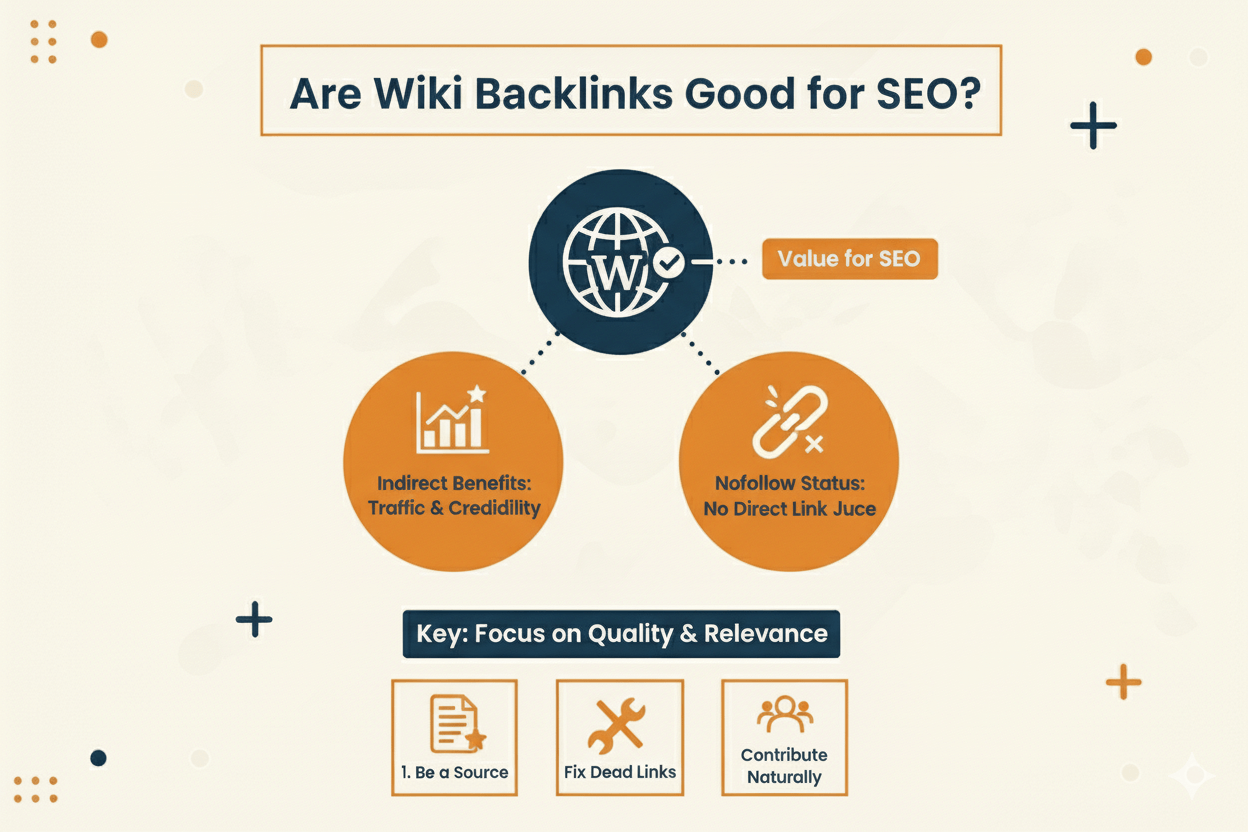
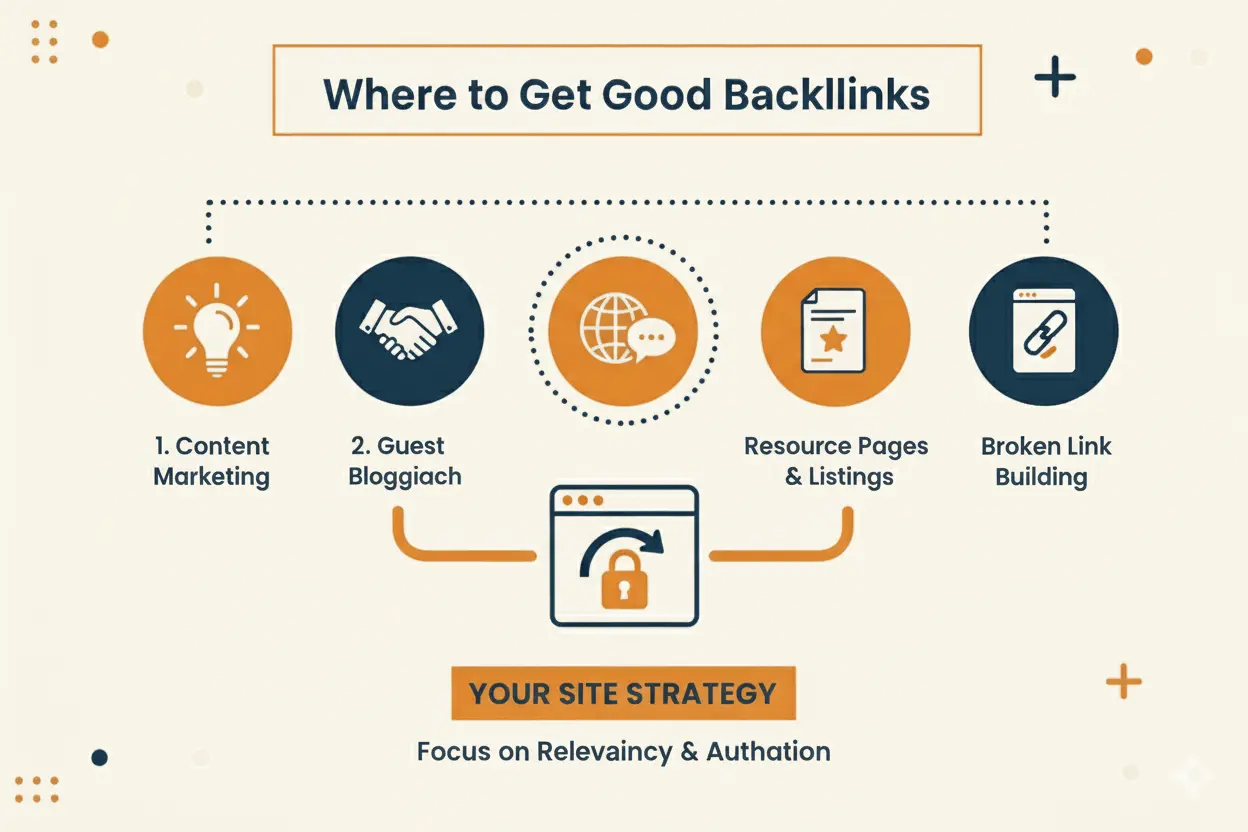
4. Quality Backlinks from Trusted Sources
High-quality backlinks from relevant, authoritative sites remain a key ranking factor. The 2024 Google leak confirmed that backlinks boost click-through rates and user engagement metrics, like time spent on your site.
How to do it:
- Create link-worthy content, like guides or original research, that others want to reference.
- Reach out to niche blogs or local websites for guest posts or mentions.
- Use platforms like Connectively to get quoted in reputable publications.
- Avoid low-quality or spammy links, which can harm your rankings.
Actionable Tip: Use Ubersuggest’s free backlink checker to analyze competitors’ links and target similar opportunities.
5. Content Clusters for Topical Authority
Building content clusters around a core topic establishes you as an expert in your niche. For example, a fitness coach could create a pillar page on “Strength Training Basics” with linked subtopics like “Best Dumbbell Exercises” or “How to Avoid Workout Injuries.”
How to do it:
- Choose a broad topic relevant to your business (e.g., “fitness training”).
- Write a comprehensive pillar page (2,000+ words) covering the topic.
- Create supporting posts on specific subtopics and link them to the pillar page.
- Use internal links to connect related content, improving navigation and crawlability.
Actionable Tip: Use Semrush’s Topic Research tool to identify subtopics and questions for your cluster.
How to Thrive in 2025: Actionable Strategies
To succeed in 2025’s SEO landscape, combine new trends with proven tactics. Here’s how to stay competitive:
Optimize for AI Overviews
To appear in AI Overviews, structure your content for quick, clear answers:
- Use short paragraphs (40–50 words) to address specific questions.
- Implement schema markup (via plugins like Yoast SEO) to help Google understand your content.
- Target informational queries, like “how-to” or “what-is” searches, which often trigger AI Overviews.
Expand to New Platforms
Diversify your SEO strategy to include YouTube, TikTok, and forums like Reddit. For example, create short YouTube videos with keyword-optimized titles and descriptions to answer niche questions. Engage on Quora or Reddit by answering questions with links to your content, driving traffic and authority.
Use AI as a Tool, Not a Writer
AI tools like Semrush Copilot or Keyword Insights can streamline research and planning, but human-crafted content wins for authenticity. Use AI to generate outlines, find synonyms, or analyze data, then add your unique voice and expertise.
Focus on User Experience
Google rewards sites with strong engagement signals, like low bounce rates and high dwell time. Eliminate distractions like excessive pop-ups and ensure forms are user-friendly. A clean, fast site enhances both rankings and user satisfaction.
The Human Side of SEO
Early in my SEO journey, I chased quick wins with keyword stuffing and low-quality links, only to see rankings stall. Over time, I learned that SEO is about building trust with users and search engines. In 2025, it’s about understanding what your audience needs, whether they’re searching on Google, watching TikTok, or asking ChatGPT, and delivering answers that feel personal and reliable. As Ann Smarty, SEO strategist, notes, “SEO is about creating experiences that people love, not just ticking algorithm boxes.”
Why SEO Remains Essential
SEO continues to drive over half of all website traffic, making it a vital tool for businesses. By blending 2025’s trends AI optimization, multi-platform presence, and intent-driven content with timeless strategies like technical excellence and quality backlinks, you can attract high-quality leads and build a lasting brand.
Start Winning in 2025
SEO in 2025 is both a challenge and an opportunity. Take these steps to get started:
- Audit your site with Google Search Console to check indexing and performance.
- Build one content cluster around a key topic in your niche.
- Optimize your Google Business Profile for local visibility.
- Experiment with one new platform, like YouTube or Reddit, to expand your reach.
Need support? At SEO Vizon, I’m dedicated to helping businesses succeed in this evolving landscape. Visit our site for expert advice or share your SEO questions below. Let’s make 2025 your year to shine in search!