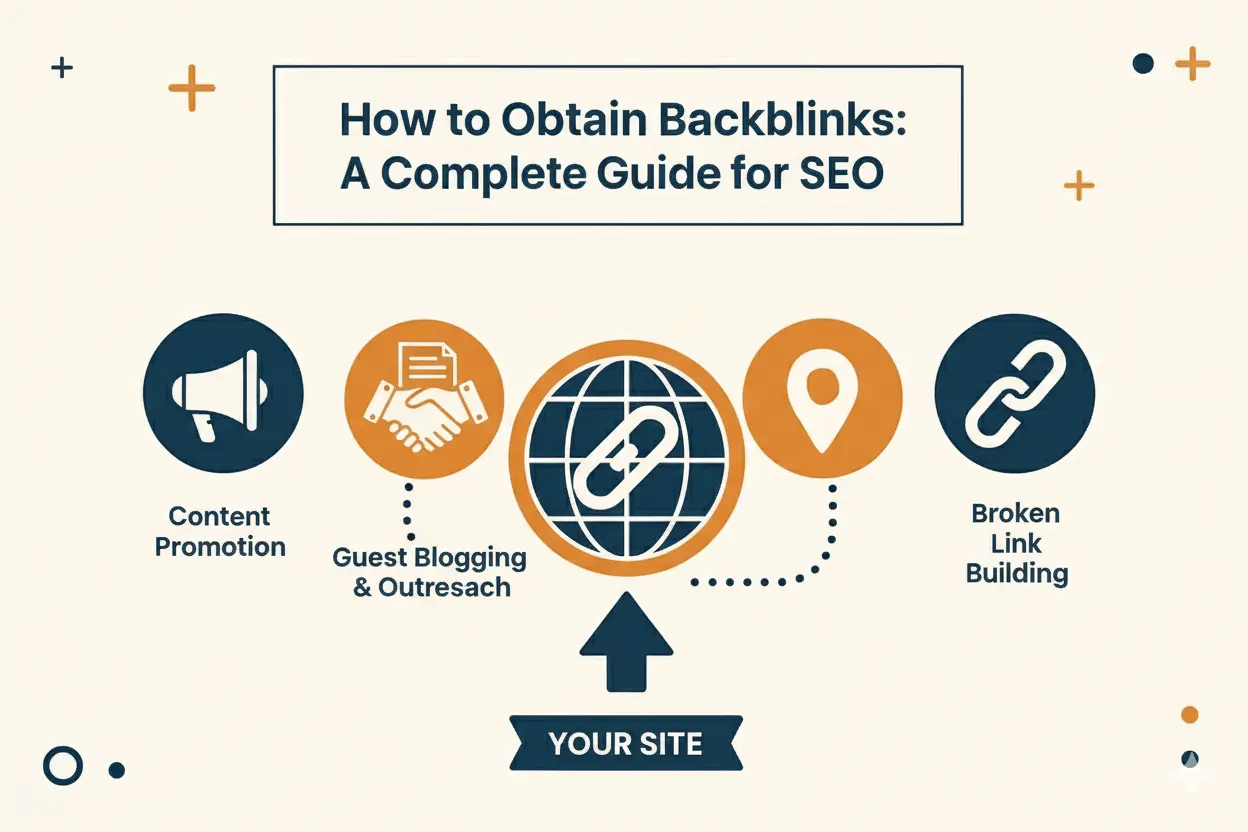
If you’ve been analyzing your backlink profile, you’ve probably noticed that not all links are the same. Some backlinks are labeled “dofollow”, while others are “nofollow.” This distinction often confuses website owners and marketers who wonder: why do some backlinks have nofollow, and what does it mean for SEO?
Let’s break it down in simple terms.
What Does “Nofollow” Mean?
A nofollow backlink is a link that tells search engines not to pass ranking authority (often called “link juice”) from the source website to the destination.
This is achieved by adding a small attribute in the HTML code of a link:
<a href="https://example.com" rel="nofollow">Example</a>
Search engines like Google see this tag and understand that the site owner doesn’t want to endorse or influence rankings for the linked page.
Why Do Websites Use Nofollow Backlinks?
1. To Prevent Manipulation
In the early days of SEO, spammers would drop links everywhere—comments, forums, and directories—just to boost rankings. To fight this, Google introduced the nofollow attribute in 2005. It gave webmasters a way to link without passing authority.
2. To Maintain Editorial Control
Sometimes, a website may want to mention another source without endorsing it. For example, a news site reporting on a scam may link to the scammer’s page but use a nofollow tag to avoid boosting it in search results.
3. Paid Links and Sponsorships
Google’s guidelines are strict about paid links. Any link that’s part of an advertisement, sponsorship, or affiliate program should include nofollow (or rel=sponsored) to avoid penalties for manipulative linking.
4. User-Generated Content
Blogs, forums, and social platforms often automatically apply nofollow to user-submitted links. This prevents abuse and keeps the site safe from spammy outbound links.
Do Nofollow Links Still Have Value?
Yes—just because a link is nofollow doesn’t mean it’s useless. Here’s why:
- Referral Traffic: People can still click nofollow links and land on your site, which brings real visitors.
- Brand Exposure: A nofollow link on a high-authority site (like Wikipedia, YouTube, or major news outlets) can still build credibility.
- Natural Link Profile: Google expects a healthy mix of dofollow and nofollow links. Having only dofollow backlinks looks suspicious.
- Indirect SEO Benefit: Nofollow links can lead to visibility, which may result in future dofollow backlinks from others who discover your content.
Balancing Dofollow and Nofollow
The best SEO strategies don’t ignore nofollow links. Instead, they aim for diversity. A natural backlink profile includes:
- Dofollow links from guest posts, PR, partnerships, and editorial mentions.
- Nofollow links from forums, social media, comments, and big authority sites that don’t pass link equity.
Think of dofollow links as direct SEO fuel, while nofollow links provide branding, traffic, and a safer, more balanced backlink profile.
Final Thoughts
So, why do some backlinks have nofollow? Because site owners and search engines need ways to control how link equity flows. It’s a safeguard against spam, paid link abuse, and unwanted endorsements.
For SEOs and marketers, the key lesson is this: don’t disregard nofollow backlinks. They may not directly boost rankings, but they contribute to visibility, traffic, and the kind of natural link profile that search engines reward in the long run.